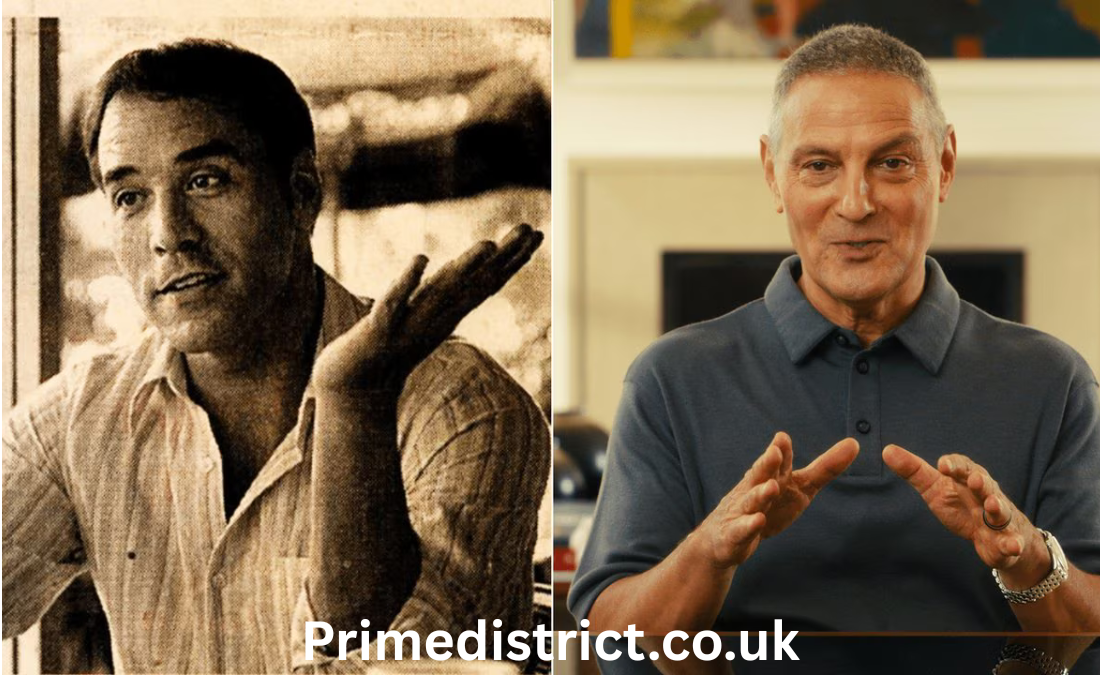
Alex Hanscombe is known for a life story that became connected to one of Britain’s most widely reported criminal cases. As the young son of Rachel Nickell, he witnessed his mother’s murder on Wimbledon Common in 1992. Decades later, Hanscombe has built an adult life shaped by music, travel, yoga, hypnotherapy and writing. His memoir, Letting Go, provides his personal account of growing up after the tragedy and finding a way forward.
Who Is Alex Hanscombe?
Alex Hanscombe is a British author and musician whose childhood became permanently connected with the murder of his mother, Rachel Nickell. He was only a toddler when Rachel was killed on Wimbledon Common in July 1992. The case generated enormous media attention and remained a defining part of British criminal history.
Rather than allowing his childhood experience to become his entire identity, Hanscombe later explored several different professional and personal interests. According to the biographical information accompanying his memoir, he worked as a mechanic before following his interest in music and returning to London to train as a session musician. He later studied yoga and became a qualified hypnotherapist.
The Tragedy That Changed His Childhood
The murder of Rachel Nickell transformed the life of her young son. On the morning of July 15, 1992, Rachel was attacked while walking with Alex on Wimbledon Common. Alex was the only witness to the attack, although he was too young to fully understand the significance of what had happened.
The investigation continued for years and attracted substantial public and media attention. The wrong man, Colin Stagg, was initially prosecuted before being cleared, while Robert Napper was ultimately identified as responsible for Rachel’s murder. Napper pleaded guilty to manslaughter and was sentenced in 2008.
For Alex, however, the case was more than a criminal investigation. It shaped his childhood, his relationship with his father and his understanding of grief, memory and identity.
Growing Up Away From the Media Spotlight
Following Rachel’s death, Alex’s father, André Hanscombe, sought a quieter environment in which they could rebuild their lives. They eventually moved away from Britain, giving Alex an opportunity to grow up with greater privacy.
This relocation was an important part of Alex Hanscombe’s development. His childhood was very different from that of most people because an event from his earliest years had already attracted intense public interest.
As he grew older, Alex had to deal with the emotional consequences of his childhood while also developing his own interests. His later experiences suggest a gradual movement toward personal independence rather than remaining permanently defined by the crime.
Alex Hanscombe’s Career and Interests

Alex Hanscombe has followed an unusual career path. His early work included mechanics, but music became an important interest. He returned to London to train as a session musician, demonstrating that his adult identity extended well beyond the tragic circumstances of his childhood.
Travel also became an important part of his life. His published biography describes extensive travel through Africa and Asia, along with periods spent studying yoga in India. He later qualified as a hypnotherapist and became interested in handwriting analysis.
These different interests illustrate how a person’s career can evolve through multiple stages. Instead of following one conventional professional route, Hanscombe explored creative work, travel and personal-development practices.
Letting Go: Alex Hanscombe’s Memoir
One of the most important parts of Alex Hanscombe’s public story is his memoir, Letting Go: A True Story of Murder, Loss and Survival by Rachel Nickell’s Son. Published by HarperCollins, the book runs to 272 pages and describes his experience of losing his mother, the aftermath of the murder and the effect the case had on his family.
The memoir is particularly significant because it moves the story away from the perspective of a police investigation and toward the experience of the person who lived through its consequences.
Hanscombe uses the book to discuss childhood, family relationships, media attention and his eventual attempts to understand the past. The central idea is not simply what happened in 1992, but how someone can continue living after an event that has shaped almost every stage of their life.
Alex Hanscombe and the Digital Age
Modern technology has changed how stories such as Hanscombe’s are preserved and accessed. A case that once depended primarily on newspapers, television broadcasts and physical records can now be represented through books, documentaries, streaming services and digital archives.
From a cloud architecture perspective, long-term digital storytelling requires several layers. Original video footage, photographs, interviews, documents and publications can be stored in secure object-storage systems, while metadata makes those files easier to locate. Backup systems and geographic redundancy can also help protect important historical material from accidental loss.
| Digital component | Practical purpose | Example for historical content |
|---|---|---|
| Object storage | Stores large digital files | Documentary footage |
| Database | Organizes information | Case timelines and records |
| Backup system | Protects against data loss | Duplicate archival copies |
| Access controls | Limits sensitive information | Restricted personal documents |
| Content delivery | Makes media accessible | Streaming documentary |
| Encryption | Protects stored information | Private interviews |
These technologies do not change the human story, but they can help preserve how that story is documented for future generations.
Security, Privacy and Sensitive Personal Stories
Security becomes especially important when digital platforms contain personal histories involving trauma, criminal investigations or family information. Public storytelling and personal privacy can sometimes exist in tension.
A responsible digital architecture should use encryption, strong identity management, access controls and carefully defined retention policies. Sensitive source material should not automatically be made publicly accessible simply because it has historical value.
For stories involving people such as Alex Hanscombe, accuracy is equally important. Digital publishing can spread incorrect claims rapidly, particularly when old cases are repeatedly discussed online. Reliable sources, clear attribution and careful separation between documented facts and speculation are therefore essential.
How Alex’s Story Has Reached New Audiences
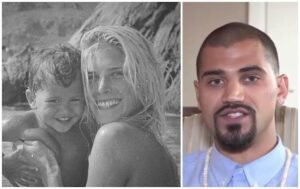
Interest in Alex Hanscombe’s story has continued decades after Rachel Nickell’s murder. He has previously appeared in productions discussing the case, including Death on the Common: My Mother’s Murder.
In 2026, his story received renewed international attention through Netflix’s documentary The Murder of Rachel Nickell and the drama The Witness. Recent coverage reports that Alex and his father contributed to the newer productions, allowing audiences to hear more directly about the long-term consequences of the case.
This illustrates how older stories can return to public discussion when new documentaries, books or streaming productions provide additional context.
Future Trends in Digital Biography and True Crime
The future of digital biography will likely combine traditional storytelling with increasingly sophisticated technology. Streaming platforms can preserve interviews, while searchable archives can connect historical documents with photographs, transcripts and timelines.
Artificial intelligence is increasingly capable of organizing large collections of information, although human editorial oversight remains important when dealing with sensitive real-world events. Cloud-based archival systems can provide scalable storage, while distributed backups can improve long-term preservation.
For publishers, the challenge is balancing accessibility with responsibility. A story may attract significant attention, but that does not remove the need to protect private information or distinguish verified evidence from speculation.
Alex Hanscombe’s story demonstrates why digital preservation should focus not only on storing information but also on maintaining context. A photograph, interview or document becomes more useful when future readers understand when it was created, who produced it and how it relates to the wider historical record.
FAQs About Alex Hanscombe
Who is Alex Hanscombe?
Alex Hanscombe is a British author and musician who became publicly known after witnessing the murder of his mother, Rachel Nickell, as a young child in 1992. He later pursued music, travel, yoga, hypnotherapy and writing.
What happened to Alex Hanscombe’s mother?
Rachel Nickell was murdered on Wimbledon Common in London in July 1992 while walking with her young son. The case remained under investigation for many years before Robert Napper was ultimately convicted in connection with her death.
Did Alex Hanscombe write a book?
Yes. Hanscombe wrote Letting Go: A True Story of Murder, Loss and Survival by Rachel Nickell’s Son. The memoir was published by HarperCollins and describes his childhood, the murder and its long-term impact on his life.
What work has Alex Hanscombe done?
His published biography says that he worked as a mechanic before training as a session musician. He later travelled extensively, studied yoga in India and qualified as a hypnotherapist.
Why is Alex Hanscombe in the news again?
His story received renewed attention in 2026 through Netflix productions covering Rachel Nickell’s murder. Recent coverage reports that Alex participated in the documentary and was involved with the production alongside his father.
Conclusion
Alex Hanscombe’s life story extends far beyond the crime that made his name known. His childhood was shaped by an extraordinary tragedy, but his adult life has included music, travel, yoga, hypnotherapy and authorship. His memoir Letting Go offers a personal perspective on growing up after profound loss, while the renewed documentaries and drama have introduced his story to another generation. His experience also demonstrates the importance of responsible storytelling, accurate digital archives and protecting personal information when historical events are preserved online.