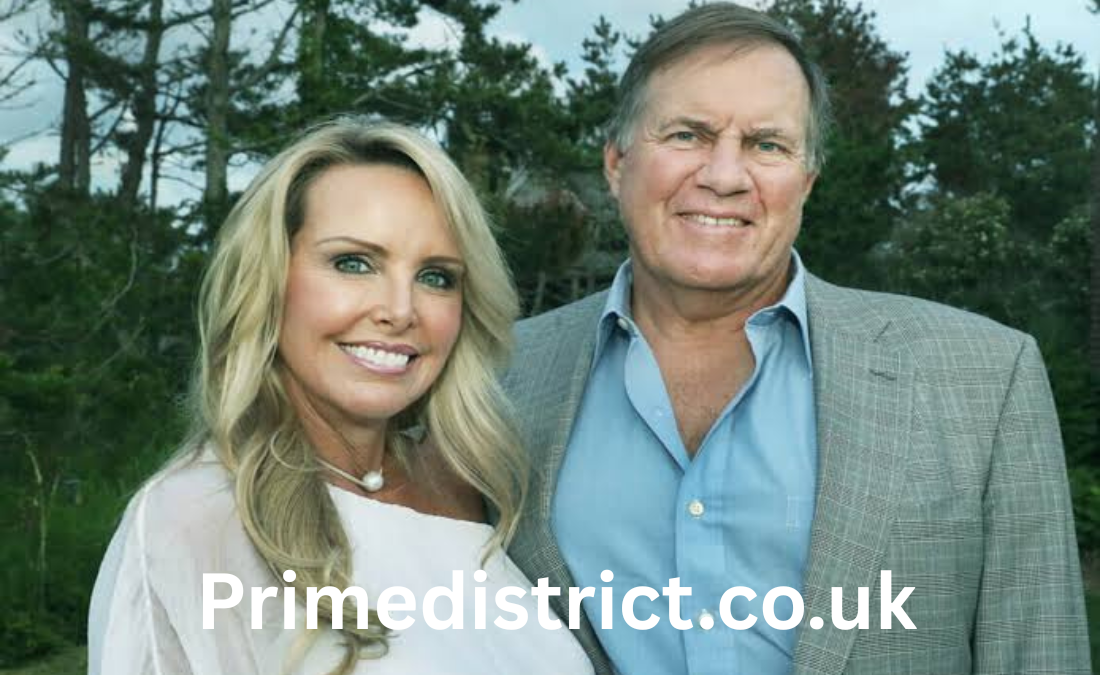
Jo Blythe is a familiar face on British television, best known for presenting weather forecasts for ITV. She has worked with ITV since 2001 and has been associated particularly with ITV News Granada and national weather coverage. Over more than two decades, she has built a lasting broadcasting career while keeping much of her personal life private. Her journey also offers an interesting example of how clear communication, reliable information and scalable delivery matter in modern media.
Who Is Jo Blythe?
Jo Blythe is a British television weather presenter associated with ITV, particularly ITV News Granada. ITV’s own weather-team profile says she has presented weather for the network since 2001 and has also appeared within ITV’s national news output. The profile describes weather presenting as her dream job and notes that she balances broadcasting with motherhood.
Unlike some broadcasters who are formally introduced as meteorologists, ITV describes Jo primarily as a weather presenter. That distinction is useful because presenting weather involves more than simply reading temperatures from a screen. The presenter must turn technical forecast information into a short, understandable message that viewers can use in everyday life.
Jo Blythe’s Career at ITV
Jo Blythe began her ITV weather career in 2001, giving her more than two decades of experience in television broadcasting. Her work has included regional forecasts and national ITV weather appearances, helping establish her as a recognisable television weather personality. ITV’s Granada profile continues to associate her with the regional service.
Her longevity is particularly notable in an industry where programmes, presentation formats and digital platforms change frequently. A successful presenter needs to remain accurate while adapting to different audiences and broadcasting environments. For someone like Jo Blythe, that means delivering information effectively whether the viewer is watching a traditional news bulletin or consuming forecast material through a digital platform.
ITV Granada and National Weather Coverage

A major part of the Jo Blythe story is her connection with ITV News Granada, which serves audiences across North West England and the Isle of Man. ITV’s regional weather material has featured Jo for many years, while ITV has also listed her alongside presenters working across national news services.
Regional weather presenting requires particular attention to local conditions. Weather can vary considerably across relatively small distances, especially in areas affected by coastlines, hills and changing weather systems. A regional presenter therefore has to communicate broad meteorological patterns while keeping the forecast relevant to the specific audience watching that bulletin.
How Weather Presenting Turns Data Into Useful Information
Weather forecasting begins with complex scientific data, but viewers do not want a technical data dump. They want to know whether roads may become difficult, whether rain could affect outdoor plans or whether temperatures will fall significantly overnight.
Jo Blythe’s profession sits between the technical forecasting process and the television audience. This is similar to a well-designed cloud application. A backend system may process thousands of data points, while the customer sees a clean interface showing only the information needed to make a decision.
The Cloud Architecture Parallel
A useful way to understand modern information delivery is to imagine three layers. The data layer contains raw information, the processing layer turns it into meaningful results, and the presentation layer communicates those results to users. Broadcast weather operates on a similar conceptual model, although ITV’s exact technical architecture should not be inferred from Jo Blythe’s role.
| Information Layer | Weather Example | Cloud Architecture Parallel |
|---|---|---|
| Data | Forecast and observation information | Data storage and ingestion |
| Processing | Turning data into forecast guidance | Compute and analytics |
| Presentation | Television weather bulletin | Web or application interface |
| Delivery | Regional or national audience | Scalable content distribution |
This separation is valuable because it allows information to remain useful even when the delivery channel changes. The same principle is found in websites, streaming platforms, mobile applications and enterprise systems.
Communication Skills Behind a Long Broadcasting Career
A weather presenter needs more than familiarity with forecast symbols. Television is time-sensitive, meaning information has to be delivered accurately within a limited window. The presenter must also adjust language and emphasis according to the situation.
Jo Blythe has spent years working in this environment. Her continued association with ITV demonstrates the importance of consistency in broadcast presentation. In practical terms, viewers benefit when information is structured clearly: what is happening, where it is happening, when it may happen and what it could mean.
From a content architecture perspective, this is similar to an efficient API response. The backend may contain extensive information, but the interface should return the relevant data without unnecessary complexity.
Jo Blythe and Life Beyond the Screen
While Jo Blythe has a visible professional career, publicly available information about her private life is considerably more limited. ITV has stated that she combines her weather career with being a mother to two small children. Beyond this, many details circulated online about her family and personal circumstances are not consistently supported by authoritative sources.
That distinction matters in responsible online publishing. Search demand can encourage websites to repeat unverified personal claims, but strong editorial practice separates documented information from speculation. For readers, this creates a clearer and more trustworthy biography.
Security and Accuracy in Digital Broadcasting
Security is another useful concept when considering the future of broadcast media. Weather information can influence travel, events, outdoor work and responses to severe conditions, so accuracy matters. Digital platforms must also protect publishing systems from unauthorised changes, malicious activity and service disruption.
In cloud architecture, security is normally designed across multiple layers rather than added at the end. Identity controls, encrypted communication, monitoring, backups and controlled access can reduce risks. The same principle applies broadly to digital journalism: reliable systems and careful editorial processes work together to protect information quality.
Scalability: From Regional Television to Digital Audiences
Traditional television delivers information to large audiences simultaneously, while digital platforms introduce very different traffic patterns. A forecast article might receive ordinary traffic for hours and then experience a sudden spike during a major weather event.
Cloud scalability addresses this challenge by allowing computing and delivery capacity to expand when demand rises. Content delivery networks, caching and distributed infrastructure can help websites serve large audiences efficiently. For a recognisable presenter such as Jo Blythe, this means a single forecast can potentially exist across television, websites, video platforms and social channels without requiring viewers to use only one medium.
The important architectural idea is elasticity: resources should be available when demand increases without requiring permanent overprovisioning.
Cost Considerations in Modern Media
Scalability has a financial side. Running high-capacity infrastructure continuously can be expensive, while insufficient capacity can create outages during peak traffic. Cloud platforms therefore often use consumption-based models, automated scaling and monitoring to balance performance with spending.
For digital publishers, the lesson is straightforward. A site carrying weather, news or celebrity content does not necessarily need maximum infrastructure every minute of the day. Efficient caching and appropriately sized services can reduce unnecessary costs while maintaining a good user experience.
The same principle applies to content production. Clear, reusable information can be adapted into articles, short videos, social posts and broadcasts, extending the value of one verified information source.
What the Future Could Look Like for Weather Presenters

The future of weather broadcasting is likely to become increasingly digital and interactive. Audiences already consume forecasts through websites, smartphones, video and social platforms in addition to television. ITV continues to publish weather information across regional and national digital services, demonstrating how forecasting now exists within a broader multimedia environment.
For presenters, this creates opportunities as well as challenges. A broadcast forecast may last only a few minutes, while digital content can provide additional explanation, graphics and updates. The underlying principle remains the same: complex information must be turned into something people can understand quickly.
Why Jo Blythe Remains a Recognisable ITV Weather Name
Jo Blythe’s career stands out mainly because of its consistency. ITV confirms that she has been presenting weather since 2001, while its Granada material identifies her as part of the regional weather team and its wider profile connects her with national news output.
Her professional journey illustrates an important lesson about broadcasting: technology changes, but communication remains central. The screen may move from a television set to a phone or connected device, yet audiences still need trustworthy information presented in a way that is quick and easy to understand.
FAQs About Jo Blythe
Who is Jo Blythe?
Jo Blythe is a British television weather presenter who has worked with ITV since 2001. She is particularly associated with ITV News Granada and has also been listed in connection with ITV national weather coverage.
Is Jo Blythe an ITV weather presenter?
Yes. ITV identifies Jo Blythe as an ITV weather presenter and states that she has presented weather for the network since 2001.
Which ITV region is Jo Blythe associated with?
Jo Blythe is strongly associated with ITV News Granada, which provides weather coverage for North West England and the Isle of Man. ITV has also included her in profiles covering national news weather presenters.
How long has Jo Blythe worked for ITV?
According to ITV, Jo Blythe has presented weather for the network since 2001, giving her more than 25 years of ITV weather experience by 2026.
Does Jo Blythe have children?
ITV’s published profile says that Jo Blythe combines her broadcasting career with being a mum to two small children. Other private family details should be treated cautiously unless confirmed by a reliable source.
Conclusion
Jo Blythe has developed a long-running career by combining broadcast experience with clear communication and a strong connection to ITV audiences. Since beginning her ITV weather work in 2001, she has become particularly familiar to viewers of ITV News Granada while also contributing to national weather coverage.
Her career also reflects a wider change in how information is delivered. Whether the platform is television, a website or a mobile device, audiences need information that is accurate, relevant and easy to understand. That combination of reliable data, efficient delivery and human communication remains at the heart of both successful broadcasting and well-designed digital systems.